
Why Anaemia Is Still a Major Problem in India Despite the Anaemia Mukt Bharat Programme
4/21/20265 min read
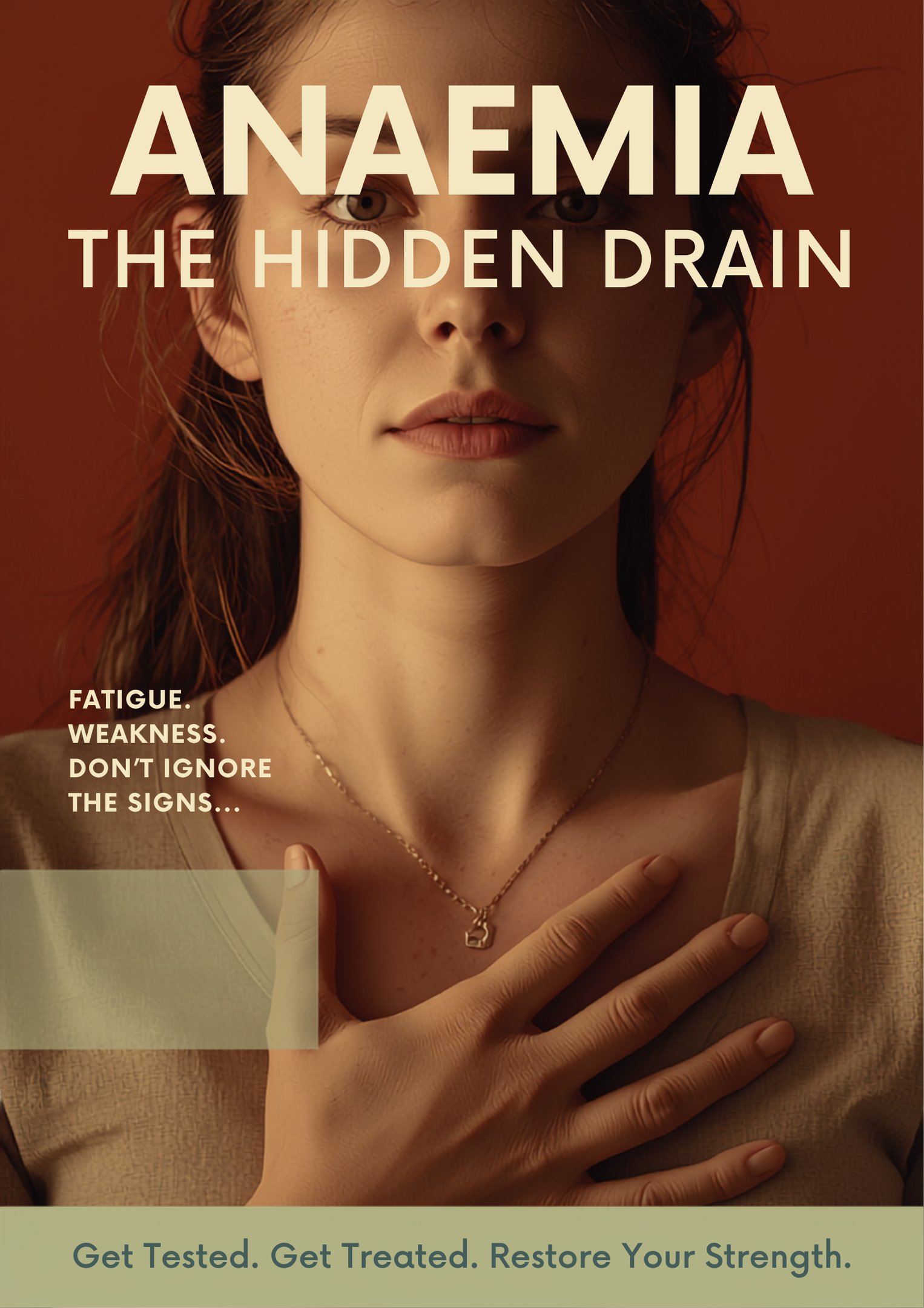

Anaemia has been a public health concern in India for decades. It affects energy, immunity, learning ability, pregnancy outcomes and productivity. For children, it can affect growth and cognitive development. For women, especially during pregnancy, it raises the risk of maternal complications, low birth weight and poor health outcomes. India has not ignored this issue. In fact, it has run anaemia-control programmes for years, and in 2018 it launched the Anaemia Mukt Bharat (AMB)programme to intensify the response. Yet anaemia remains stubbornly high.
That raises an uncomfortable but necessary question: if India has a national programme, why is anaemia still such a big problem?
What the Anaemia Mukt Bharat Programme is about
Anaemia Mukt Bharat was launched in 2018 under the National Health Mission as a major strategy to reduce anaemia across the life cycle. It focuses on six beneficiary groups: children aged 6–59 months, children aged 5–9 years, adolescents aged 10–19 years, pregnant women, lactating mothers and women of reproductive age. Its well-known “6x6x6” approach combines six target groups, six interventions, and six institutional mechanisms.
The programme includes:
Iron and folic acid supplementation for different age groups.
Deworming to reduce worm-related blood loss and nutrient depletion.
Behaviour change communication to improve diet, hygiene, and compliance.
Testing and treatment using point-of-care systems.
Fortified foods through government nutrition platforms.
Attention to non-nutritional causes such as malaria and other conditions in endemic areas.
On paper, this is a strong public-health design. It recognises that anaemia affects multiple groups and needs repeated intervention across age stages. The problem is that good design does not automatically produce good outcomes.
What the data over the years shows
If we compare the large national survey rounds, the trend is worrying. Anaemia increased between NFHS-4 (2015–16) and NFHS-5 (2019–21) across many groups in India.
Among children aged 6–59 months, anaemia rose from 58.6% to 67.1%.
Among women aged 15–49 years, it rose from 53.1% to 57%.
Among pregnant women, it increased from 50.4% to 52.2%.
Among men, it rose from 22.7% to 25%.
Among adolescent girls aged 15–19 years, it reached 59.1%.
Among adolescent boys aged 15–19 years, it reached 31.1%.
These are not marginal numbers. They show that more than half of women and young children in India are affected. That is why anaemia is still treated as a major public health emergency.
At the global level too, progress has been slow. WHO estimates cited in recent reporting note that the world is off track to meet the target of a 50% reduction in anaemia by 2030 and India reflects that wider challenge in an intensified form.
Why anaemia is still high despite AMB
The programme has been too iron-centric for a multi-cause problem
A central reason is that not all anaemia is caused by iron deficiency. AMB has relied heavily on iron-folic acid supplementation, which is important and evidence-based. A recent review found that iron/IFA prophylaxis does improve haemoglobin and ferritin and can reduce anaemia risk by 23% to 70% across groups. So the intervention itself is not useless.
But that is only part of the story. Other research suggests that deficiencies in vitamin B12, folate, vitamin A, vitamin D and zinc also contribute significantly to anaemia in India. One 2024 paper using national nutrition data argued that iron supplementation alone is insufficient and that many states may have anaemia burdens that cannot be explained by low ferritin alone. In other words, AMB addresses an important cause, but often not the full cause.
Coverage and implementation remain weak
Programmes fail not only because of policy gaps, but because of last-mile delivery gaps. Research in 2024 found that the coverage of iron supplementation and albendazole delivery in schools and Anganwadis was very low in many areas, in some cases just 0.5% to 25%. It also highlighted irregular drug supply, weak reporting, and limited awareness among beneficiaries.
This matters because AMB depends heavily on repeated contact with health workers, schools, Anganwadis, antenatal care services and supply chains. If tablets are unavailable, if girls are absent from school, if frontline workers are overburdened or if follow-up is weak, programme intent never becomes programme reality.
Poor diet quality continues even when calories are available
Anaemia is not just about eating enough food. It is about diet quality and diversity. Many diets remain cereal-heavy and low in iron-rich and micronutrient-rich foods such as pulses, millets, eggs, meat, green leafy vegetables, fruits, and foods rich in vitamin C that improve iron absorption. Recent commentary on India’s anaemia crisis points to poor diet quality as one of the main reasons prevalence stays high.
There is also a bioavailability problem. Even when iron is present in food, absorption may be limited by phytates and other dietary inhibitors. Some public-health discussions now stress that anaemia reduction requires not just more iron, but better combinations of food and improved dietary diversity.
Awareness and adherence are still poor
Many people do not identify fatigue, weakness, or dizziness as signs of anaemia. Others stop taking supplements because of side effects such as nausea or constipation. When adherence is poor, supplementation programmes lose impact. Recent analyses repeatedly point to low awareness and weak behaviour change as major barriers. This is where AMB’s communication component matters, but it has not yet transformed public understanding at scale.
Health-system gaps reduce early detection and continuity of care
Routine screening is still inconsistent. Anaemia often gets detected late, especially among adolescents, poor women, and people with weak access to primary care. If testing, diagnosis, and counselling are inconsistent, then treatment becomes episodic rather than sustained. Reporting in 2026 identifies weak screening systems and health-system gaps as a key reason the crisis continues.
Social and environmental causes are still under-addressed
Anaemia is shaped by more than nutrients. It can also be linked to infections, repeated pregnancies, menstrual blood loss, sanitation, malaria, tuberculosis, inherited disorders, and chronic disease. Some newer discussions have also drawn attention to air pollution as a contributor through inflammation-related pathways that may reduce iron absorption and red blood cell production. That means anaemia policy cannot succeed if it is separated from broader issues like women’s health, reproductive health, infectious disease control, sanitation, and environmental policy.
The inequality dimension: who is bearing the heaviest burden?
Anaemia in India is not evenly distributed. It is strongly shaped by gender, age, class, geography, and access to services.
Gender inequality
Women and girls are more affected than men because of menstruation, pregnancy, postpartum demands, and often poorer dietary access within households. Adolescent girls and women of reproductive age remain among the most vulnerable groups. The gap is not biological alone; it reflects unequal nutrition, early marriage, repeated pregnancies, and unequal health access.
Age inequality
Young children suffer disproportionately because they have high nutrient needs during rapid growth. Adolescents—especially girls—also face major risk because puberty increases nutritional demand at the same time that diets are often inadequate.
Socio-economic inequality
Poor households may have enough grain but not enough diet diversity, clean environments, stable health care, or consistent supplementation access. The same public programme works very differently for a child in a well-functioning district and one in a poorly served tribal or low-income area.
Regional inequality
Evidence suggests that the drivers of anaemia vary by state. In some states, iron deficiency may be the main issue; in others, multiple micronutrient deficiencies may be more important. A one-size-fits-all intervention therefore misses state-specific realities.