
The Long Road to Label Integrity: How India Took on Fake “ORS” Drinks
10/23/20252 min read
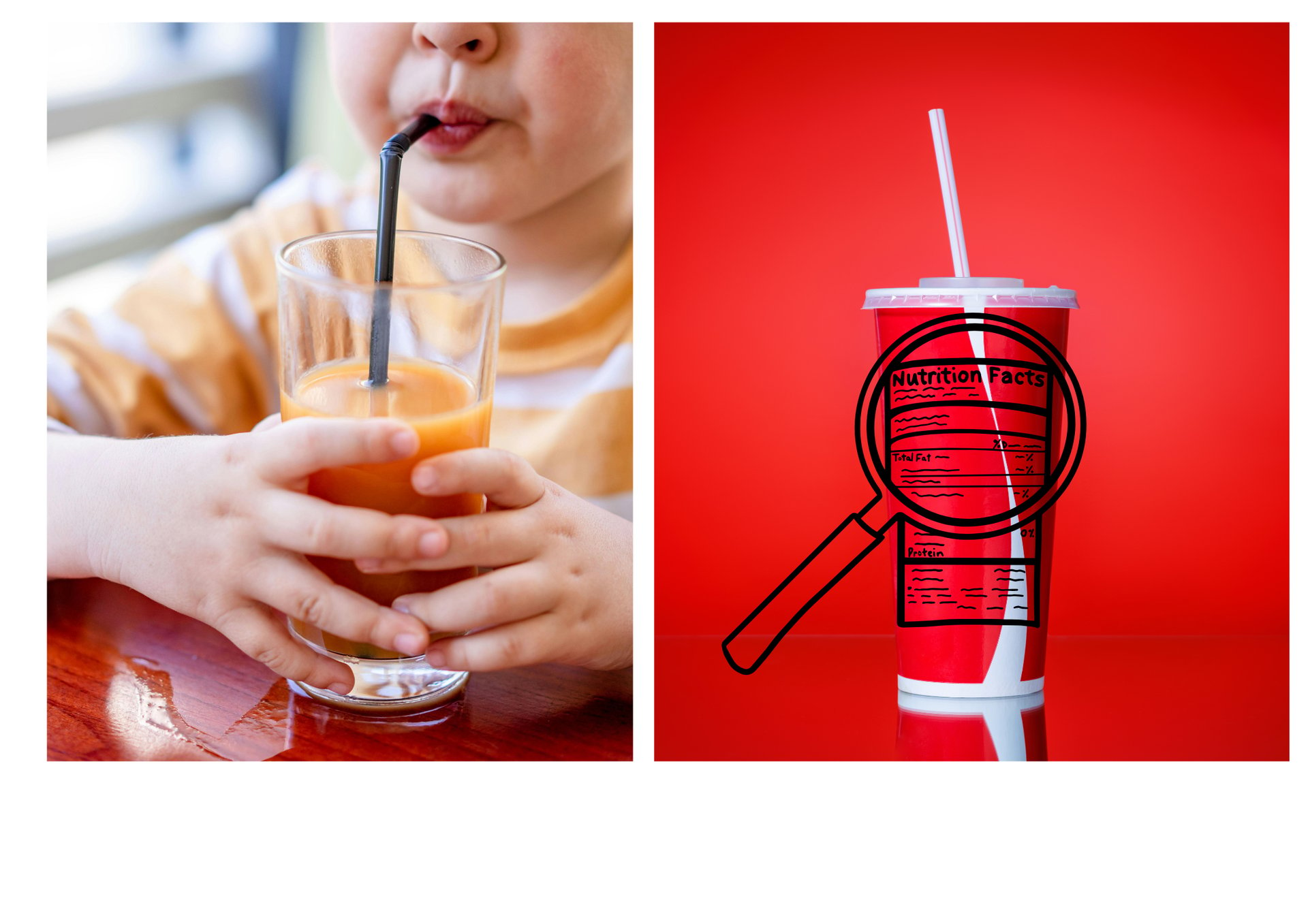
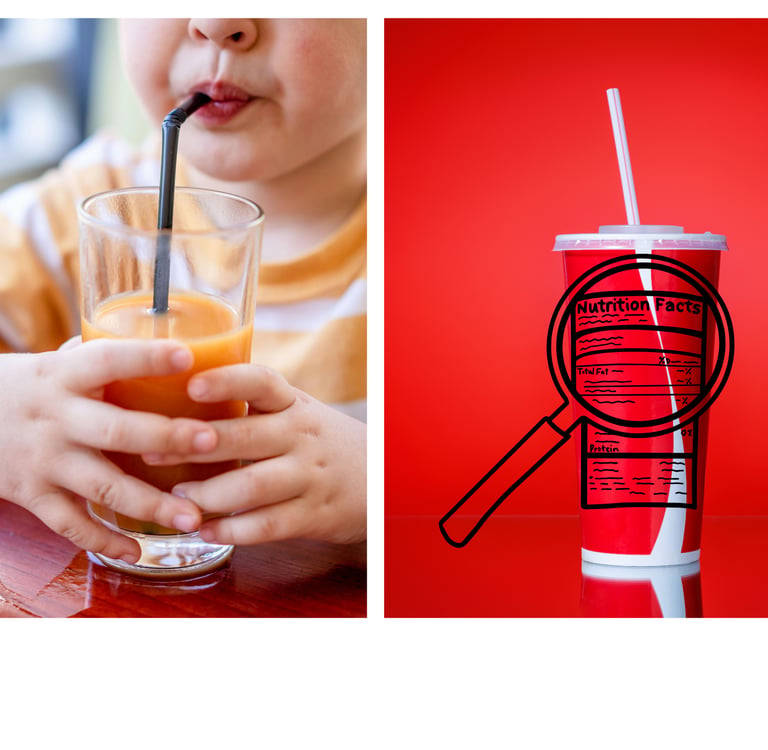
The fight against misleading “ORS” drinks in India didn’t begin in a courtroom or government office, it began in a hospital ward, when one doctor noticed something deeply troubling.
More than a decade ago, Dr Sivaranjani Santosh, a paediatrician from Hyderabad, began treating children admitted with dehydration who hadn’t been given genuine Oral Rehydration Solution (ORS) but sugary, flavoured beverages marketed under the same name. These drinks looked medical, carried the same terminology and were often sold alongside real ORS sachets. Most people couldn’t tell the difference and that confusion could be deadly.
True ORS follows a strict World Health Organization (WHO) formula: a carefully balanced mix of salts, glucose, and electrolytes. The imitation drinks contained far more sugar, flavouring agents, and additives doing the opposite of what was medically required. In a country where both literacy and health literacy are limited, the misuse of a medical term wasn’t a branding issue; it was a matter of life and death.
Dr Santosh raised alarms through social media, medical circles and regulatory complaints, arguing that companies were trading on public trust. Over time, other doctors, paediatricians, and health advocates joined the call, demanding that India’s food regulator act decisively.
The Food Safety and Standards Authority of India (FSSAI) issued its first advisory in 2022, warning that non-medical beverages using “ORS” could be considered misbranded. But the enforcement was weak. Industry pushback followed, and the issue quietly faded until continued advocacy reignited the debate.
Finally, in October 2025, after years of campaigning, the FSSAI banned the use of the term “ORS” on any drink that doesn’t meet WHO and Indian Pharmacopoeia standards. It’s a major win for public health and consumer safety but one that feels long overdue.
Which leads to the uncomfortable question: Why did it take so long? When doctors, parents, and public health experts had already raised red flags years ago, why wasn’t stronger action taken sooner? Was protecting corporate trademarks and avoiding backlash more important than protecting the lives of children who trusted the wrong label?
This decision deserves praise, but also reflection. Because in public health, delay isn’t neutral, it costs lives.