
Health Inequalities Across Caste, Class and Gender in India
The Silent Divide
11/6/20252 min read
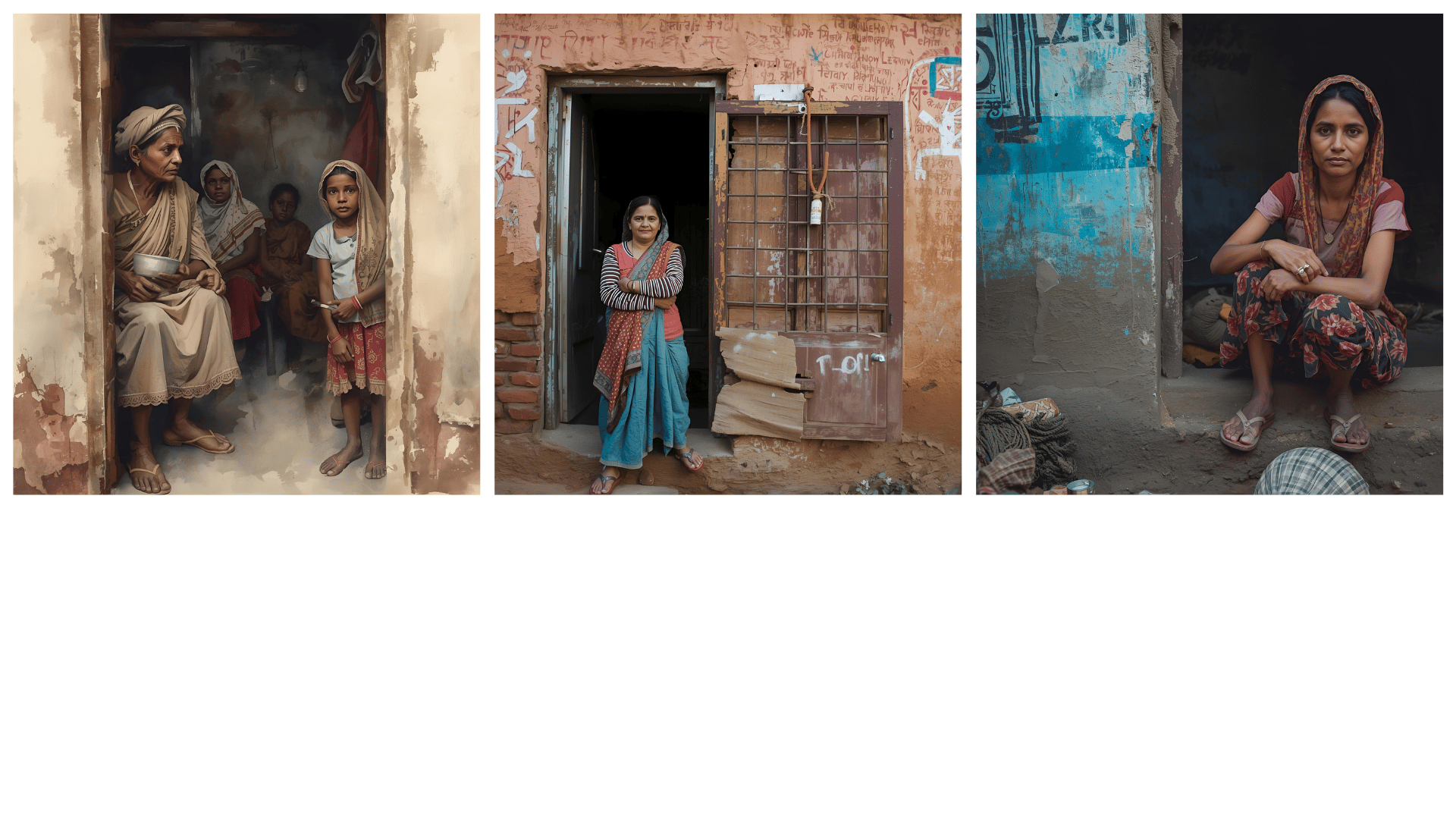
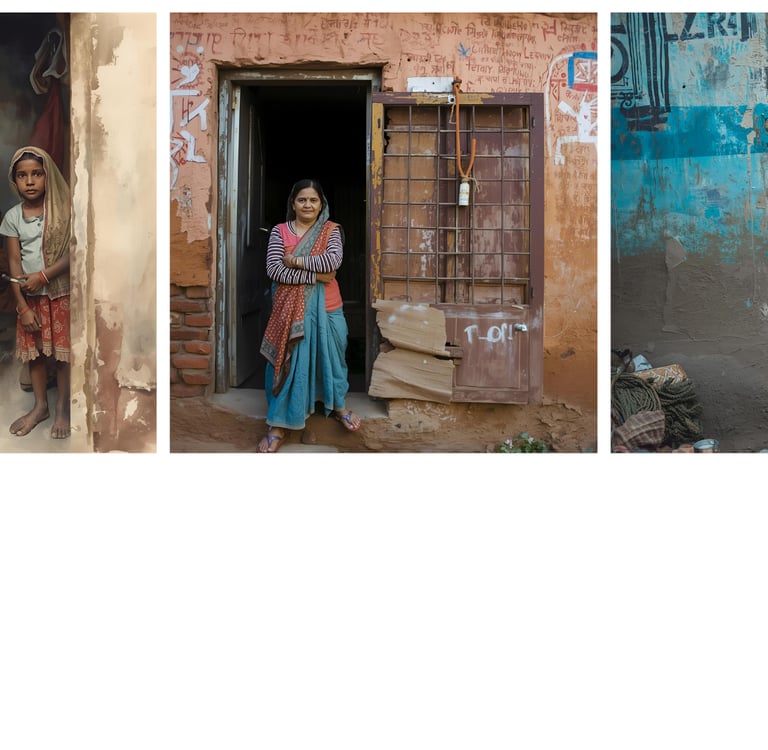
India has made huge progress in healthcare. More children are surviving, more hospitals are being built and government schemes like Ayushman Bharat promise free treatment to millions. But behind these achievements lies a quiet truth: not everyone in India has the same chance to live a healthy life.
Who you are, where you live, and even your gender or caste can still decide how healthy you are and what kind of care you get. The gaps are deep and they start long before anyone steps into a hospital.
Caste and Health: The Inequality We’re Born Into
In India, caste continues to shape opportunities and health is no different.
People from Scheduled Castes (SC) and Scheduled Tribes (ST) often face more illness, poor nutrition, and fewer healthcare options.
According to government data (NFHS-5), fewer SC and ST women deliver in hospitals compared to women from higher castes. In many places, even when public health centres exist, people from marginalised castes are treated differently, either made to wait longer or ignored.
This kind of discrimination doesn’t just affect physical health. It hurts confidence, dignity and trust in the system. For many of these families, hospitals feel like spaces where inequality continues instead of ending.
Class and the Cost of Staying Healthy
Next comes class: how much money you have. In India, healthcare can be expensive. Over half of all health spending comes directly from people’s pockets. A single hospital stay can wipe out a poor family’s savings.
Public hospitals are supposed to fill the gap, but the reality is uneven. Cities often have many private and public hospitals, while rural areas depend on one doctor for thousands of people or even untrained practitioners. During the Covid-19 pandemic, this gap became visible everywhere. Private hospitals charged huge fees, while government hospitals were overwhelmed. Many daily wage workers and poorer families simply couldn’t afford treatment or didn’t know where to go.
Even in normal times, class affects how people eat, exercise, and live. Wealthier Indians are more likely to get regular health check-ups, eat nutritious food and work in safer environments. These are advantages that protect them throughout life.
Gender and the Hidden Burden
Then comes gender, the invisible barrier that follows women from birth. Girls often eat last and least at home. Many women are married early, have children young and spend their lives caring for others while ignoring their own health. According to NFHS-5, only 3 in 10 women in India have the final say in their own healthcare decisions. That means most women still need someone else’s permission to see a doctor or spend money on treatment.
And while India talks a lot about maternal health, there’s very little focus on women’s health beyond pregnancy, like menopause, heart disease or mental health. A poor woman from minority caste living in a remote village may face triple discrimination, for her caste, her poverty and her gender. These overlapping inequalities make her one of the most vulnerable people in our health system.
Why This Matters
Health inequality isn’t just unfair, it’s a loss for everyone. When people can’t afford treatment, they fall deeper into poverty. When women or lower-caste communities avoid hospitals because they’re mistreated, preventable diseases spread. A truly healthy India isn’t one where a few people get world-class treatment, it’s one where everyone has the chance to live well, regardless of caste, income, or gender.
Health is more than medicine. It’s about whether a woman feels safe speaking to her doctor, whether a poor family can afford care and whether a child from minority group gets the same chance to grow up healthy as any other.