Britain’s Sugar Tax: A Spoonful of Policy That’s Making a Difference
10/21/20251 min read
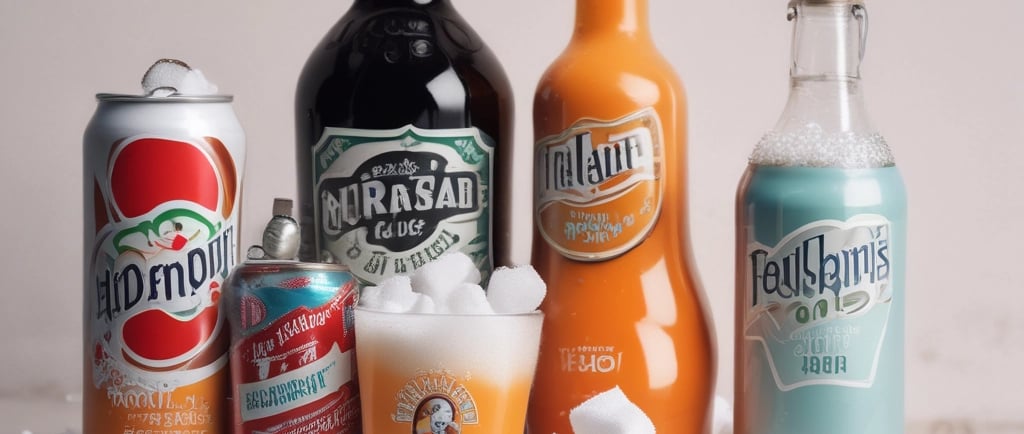
When Britain announced a tax on sugary drinks back in 2016, few believed it would amount to much more than political theatre. Yet, by the time the Soft Drinks Industry Levy (SDIL) took effect in 2018, something remarkable had happened: the drinks industry had already changed its recipes.
Designed to tackle rising obesity, type 2 diabetes and tooth decay, the levy targeted manufacturers rather than consumers. Drinks containing more than five grams of sugar per 100 millilitres were taxed, with a higher rate for the sweetest offenders. The goal was simple: make companies think twice before pouring sugar into every bottle.
And it worked. Coca-Cola, PepsiCo, and dozens of smaller brands quietly reformulated their products to dodge the tax. Within months, supermarket shelves were lined with lower-sugar versions of familiar favourites. Independent studies later confirmed the shift, average sugar levels in soft drinks dropped by nearly a third and households were buying far less sugar from beverages overall. Public health experts hailed it as one of the fastest and most effective nutritional interventions in recent years.
But the victory comes with caveats. The sugar tax doesn’t touch biscuits, chocolates or breakfast cereals, the very foods that contribute most to Britain’s sugar intake. Critics also argue that the policy’s impact on obesity rates is still unclear. It may take years before any change appears on the scales, and even then, diet is only one piece of a much larger health puzzle.
Still, the SDIL has proven a powerful point: well-designed regulation can shift industry behaviour without punishing the public. Few policies have shown such rapid, measurable results. As ministers consider extending the levy to other sugary products, the experiment offers a bittersweet lesson for health policy-makers that sometimes, the best way to change what’s on our plates is to start with what’s in the bottle.